

Sale!

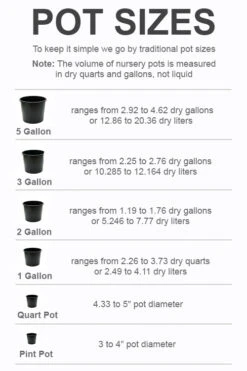
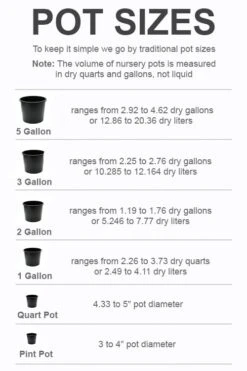
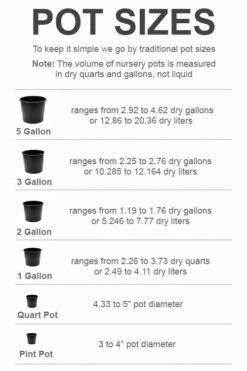
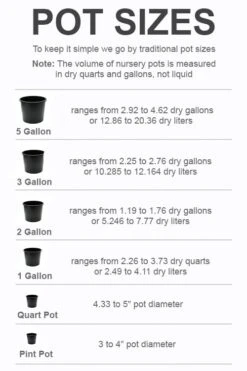
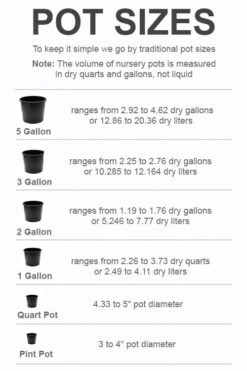
Desire Camellia Japonica – 3 Gallon Pot
Original price was: $93.97.$65.78Current price is: $65.78.
- Quick responses, top-notch service.
- Worry-Free Shopping with Safe Payments
- Safe Payments, the Smart Choice
- Secure Shopping with Safe Payments

Desire Camellia
Camellia japonica ‘Desire’
Plant Details
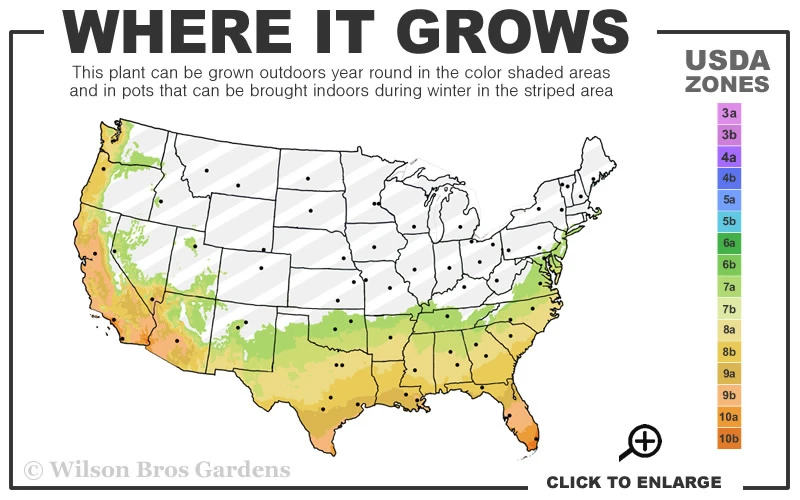
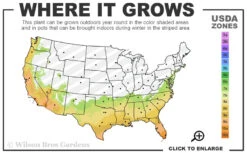
USDA Plant Hardiness Zones: 7a-10a Find Your Zone
Plant Type: Evergreen Flowering Shrub
Species: Japonica (Winter, Spring blooming)
Height at Maturity: 8-10′ depending on pruning
Width at Maturity: 8-10′ depending on pruning
Spacing: 6 to 7′ for solid hedge; 14’+ for space between plants
Flower Color: White, Soft Pink, Deep Pink
Flower Size: 3-4″
Flowering Period: Late Winter, Early Spring
Flower Type: Formal Double / Peony
Fragrant Flowers: No
Foliage Color: Dark Green
Fragrant Foliage: No
Berries: No
Berry Color: NA
Sun Needs: Morning Sun with Afternoon Shade or Filtered Sun, All Day Filtered Sun
Water Needs: Average, Lower when established
Soil Type: Clay (amended), Loam, Sand (amended), Silt
Soil Moisture / Drainage: Well Drained Moist
Soil pH: 5.0 – 6.5 (Acid)
Maintenance / Care: Low
Attracts: Visual Attention
Resistances: Deer – more info, Drought (when established), Heat, Humidity
Intolerances: Direct Afternoon Sun, Constantly Soggy Soil
Description
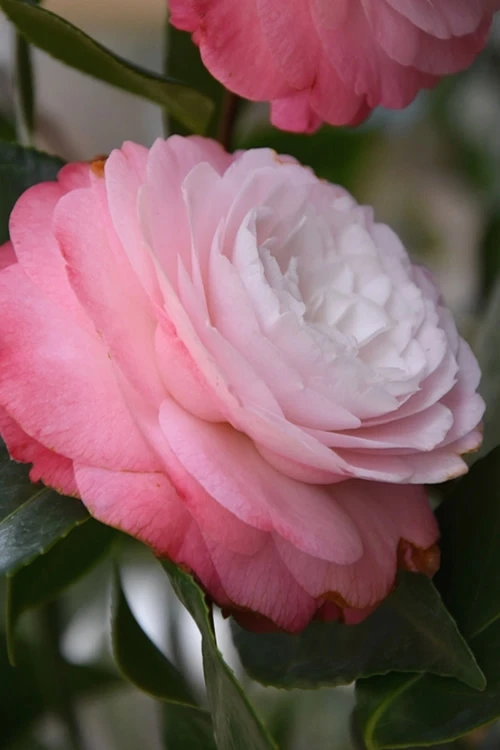
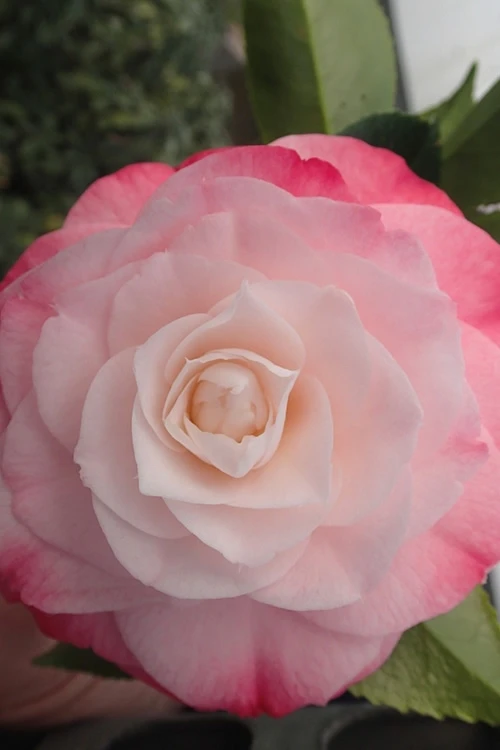
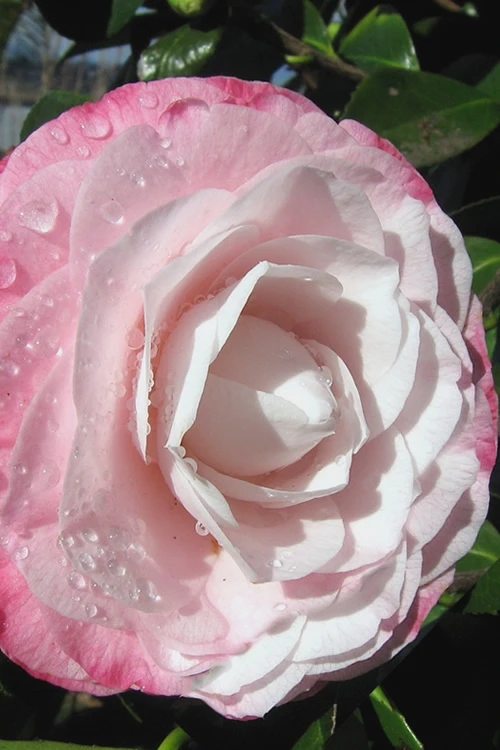
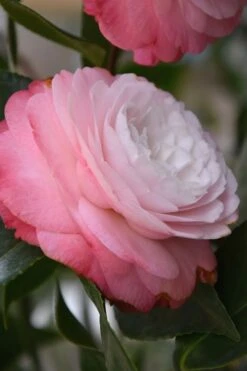
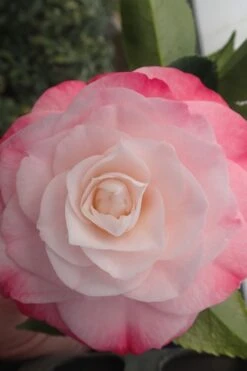
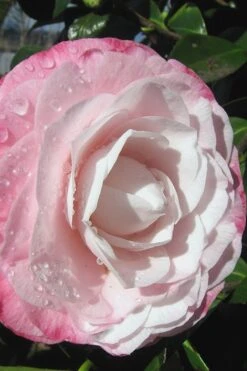
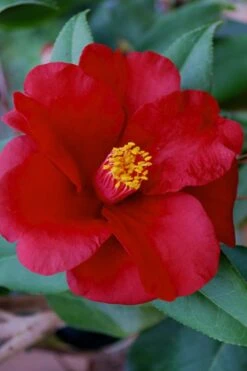
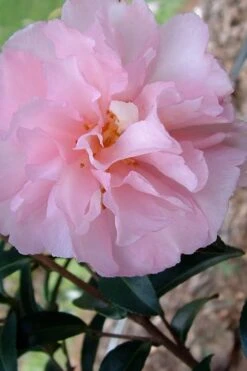
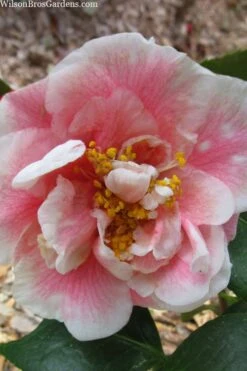
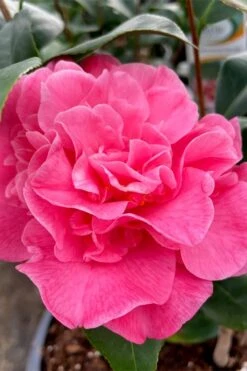
One of the most incredibly beautiful and glorious Camellia japonica in our late winter and spring garden, Desire produces an abundance of large, 4 inch diameter formal double flowers with a whopping 60-petals that are a glowing white at the center of the flower and fade to soft pink delicately “airbrushed” in deep pink to almost red around the edges. A vigorous uptight grower with deep green glossy leaves that are the perfect background to display the magnificent flowers in all their glory. A must for Camellia enthusiasts! To enjoy the flowers indoors display several cuttings in vase or float just one in a bowl of water.
Landscape & Garden Uses
Growing 8 to 10 feet tall and wide, the Desire Camellia can be grown as a large shrub or small tree. As a shrub it is ideal for use as a specimen, in groupings, or as a hedge or background plant in landscape borders and is especially nice as a corner plant or espalier (trained to grow flat against a wall) in home foundation plantings. As your camellia plant grows taller, lower branches can be removed to form a small tree that serves well as an attractive and colorful specimen in landscape borders and home foundation plantings. A fine selection for camellia gardens, pink or white theme gardens, cottage gardens, cut flower gardens and woodland borders. Also suitable for containers that can be brought indoors during winter by those who garden above USDA Zone 7a, where this camellia variety is not reliably winter hardy. Find Your Zone
Spacing: 6 to 7 feet apart for solid hedge; 14 feet or more apart for space between plants
Note: For our customers who live and garden north of USDA Plant Hardiness Zone 7a, where this Camellia variety is not reliably winter hardy, you’ll be happy to know it can be grown in containers that can be brought indoors during winter and placed back outside when temperatures warm up in spring.
Growing Preferences
Camellia adapt well to various soil types preferring a moist but well-drained acidic soil that is rich in organic matter. Constantly soggy or wet soil is a slow killer. In general, Camellia grows and blooms better in partial shade with some shelter from the hot afternoon sun. Morning sun with afternoon shade or filtered sunlight is perfect. All-day filtered sun is fine.
Helpful Articles
Click on a link below to find helpful advice from our experts on how to plant and care for Camellias.
- Planting Camellias
- Pruning Camellias
- How To Fertilize & Water Camellias
- How To Espalier Plants & Trees
*Espalier (pronounced: ih-spal-yay) …an ornamental shrub or tree that has been trained to grow flat against a wall, fence, or other vertical, flat surface.
Plant Long & Prosper!
Meet The Wilson Brothers & Staff
Questions? Contact Us
Be the first to review “Desire Camellia Japonica – 3 Gallon Pot”
Related products
Sale!

Original price was: $44.97.$31.48Current price is: $31.48.
Sale!
Original price was: $189.97.$95.99Current price is: $95.99.
Sale!
Original price was: $68.85.$48.20Current price is: $48.20.
Sale!
Original price was: $179.97.$97.99Current price is: $97.99.
Sale!
Original price was: $73.85.$51.70Current price is: $51.70.
Sale!
Original price was: $179.97.$99.99Current price is: $99.99.
Sale!

Original price was: $79.97.$55.98Current price is: $55.98.
Sale!

Original price was: $68.85.$48.20Current price is: $48.20.
Reviews
There are no reviews yet.